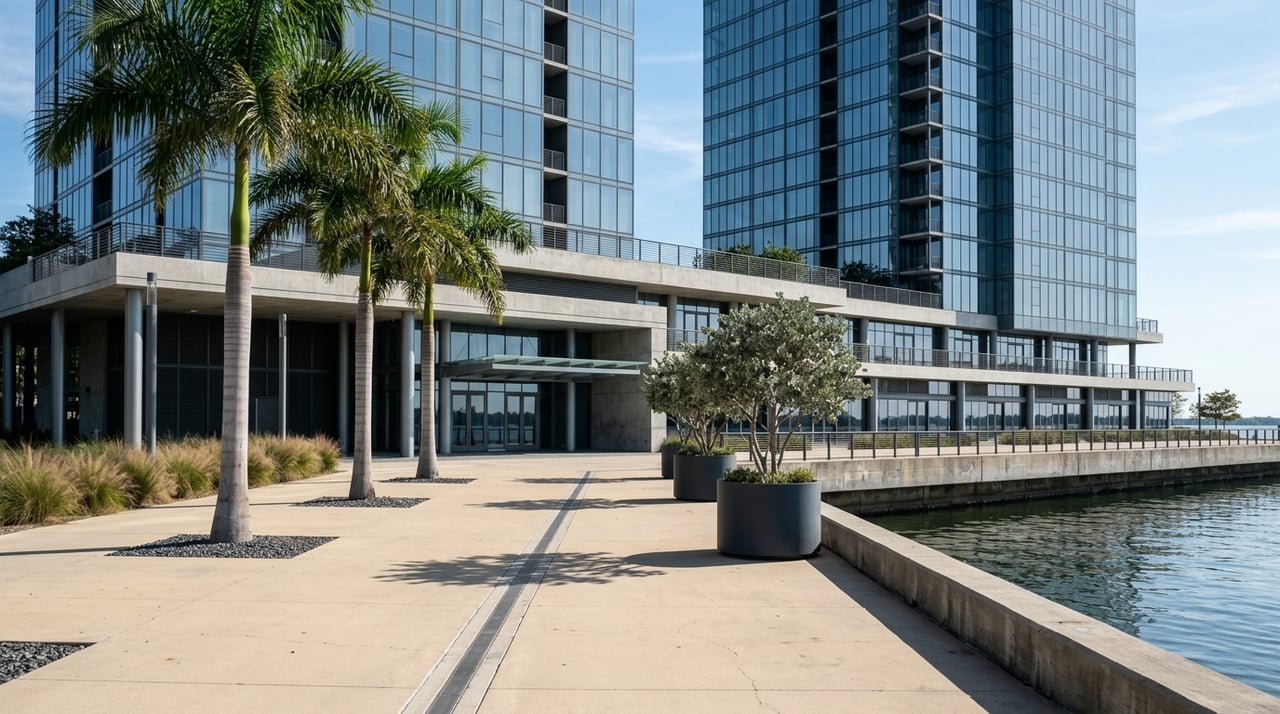
You do not have to choose between water and city energy in Tampa, but you do need to decide which one fits your daily routine best. Some buyers picture morning walks by the bay, while others want to step outside and be close to dining, events, and a more walkable urban setting. If you are weighing both, this guide will help you compare how waterfront and city-lights living feel across Tampa so you can focus on the lifestyle that matches you best. Let’s dive in.
Why Tampa Makes This Choice Interesting
Tampa gives you a rare mix of urban activity and water access in the same city. According to the U.S. Census Bureau, Tampa’s population was 414,547 as of July 1, 2024, with a median household income of $75,475, a median owner-occupied home value of $420,400, a median gross rent of $1,701, and a mean travel time to work of 24.8 minutes.
The City of Tampa describes neighborhoods that range from active multi-family communities on the downtown waterfront to quieter single-family detached streets. The city also has 146 parks and housing choices that include both bungalows and condominiums. That variety is what makes this decision less about one “better” option and more about how you want your week to flow.
What Waterfront Tampa Feels Like
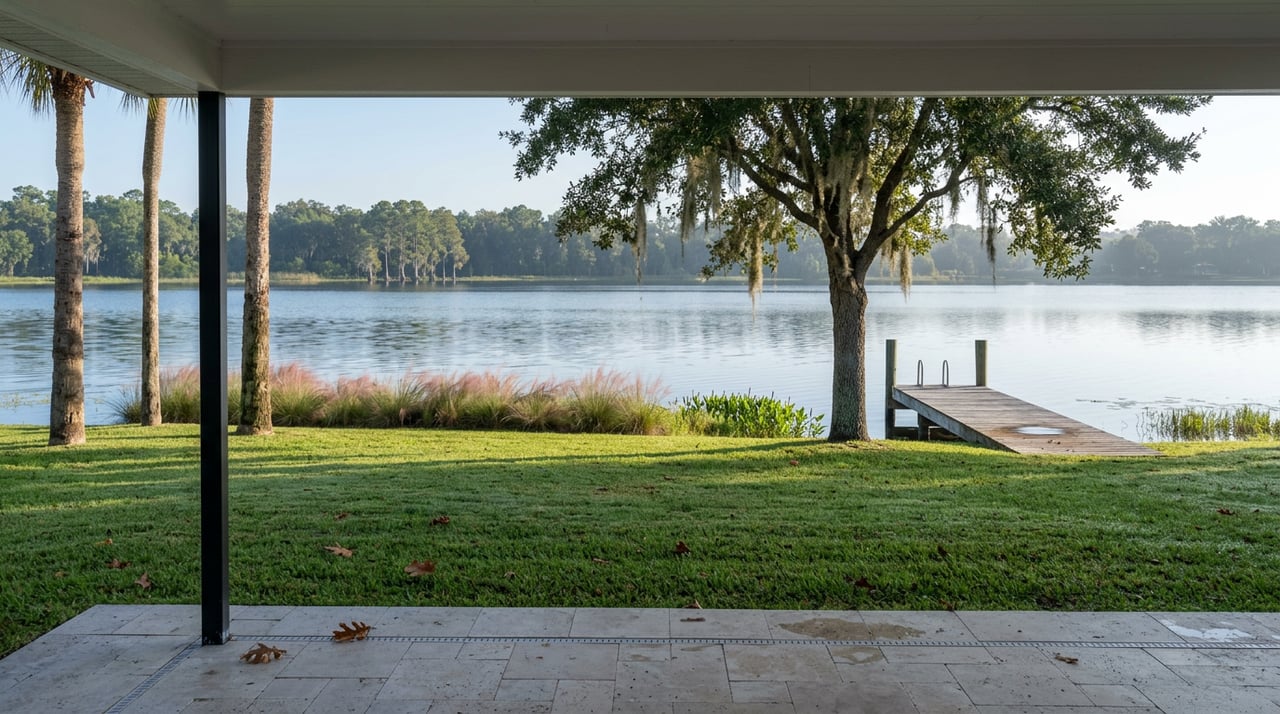
Waterfront Tampa is not one single neighborhood style. It is better understood as a collection of bay- and river-adjacent areas where outdoor access, open views, and a more residential feel often shape the experience.
The City of Tampa says Davis Islands sits just outside downtown and blends residential and retail areas with parks, green space, water views, a yacht club, an airport, and a yacht basin. Ballast Point, also on Hillsborough Bay, is known for walkways along the water, quick access to Bayshore Boulevard, and homes with large porches and old Florida character.
These areas often appeal to buyers who want the city nearby without feeling fully surrounded by it. You may still be close to downtown, but your day can feel more anchored by the bay, neighborhood streets, and outdoor time.
Outdoor access is a major draw
If you picture your free time outside, waterfront Tampa has a strong case. The Tampa Riverwalk connects riverfront parks including Cotanchobee, Curtis Hixon Waterfront Park, Julian B. Lane Riverfront Park, and Water Works Park.
The Riverwalk area includes boating, water bikes, water taxi access, dining near the water, museums, and arena access. Curtis Hixon offers splash pads, a dog park, and a boat dock, while Julian B. Lane includes boat ramps, kayak launches, and a dog park.
Bayshore Boulevard adds another layer to this lifestyle. The City describes it as a 4.5-mile scenic waterfront greenway with one of the longest continuous sidewalks in the United States.
Waterfront living often feels more residential
In many bay- and river-adjacent parts of Tampa, housing tends to lean toward detached homes, historic houses, and neighborhood-scale retail. Davis Islands is described as a mix of residential and retail areas, while Ballast Point is known for historic homes and renovations.
That does not mean condos are absent. The city’s overall housing mix includes both bungalows and condominiums, but many waterfront pockets often feel more grounded in land, porches, and direct access to green space and water. That is a general lifestyle pattern, not a hard rule for every block.
Dining by the water is part of the rhythm
Tampa’s waterfront dining is less about one long strip and more about marina, patio, and park-adjacent spots. The Riverwalk and TCC Marina pages point to places like The Sail and Big Ray’s Fish Camp near the docks and within walking distance of downtown attractions.
That gives waterfront Tampa a unique feel. It can feel connected and active, but not necessarily like a beach town. Instead, it often feels like a city district where water is part of your everyday backdrop.
What City-Lights Tampa Feels Like
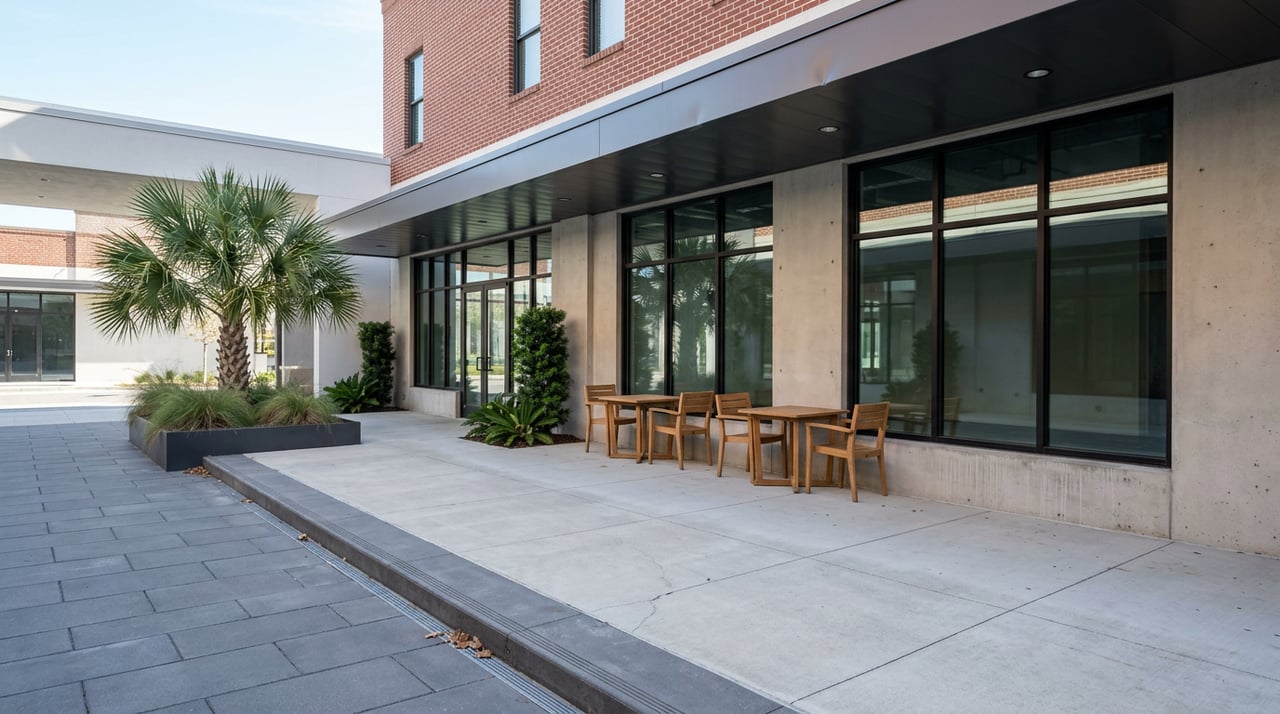
If waterfront Tampa is about open-air routine, city-lights Tampa is about convenience, energy, and access. Downtown Tampa and nearby districts create a denser, more mixed-use lifestyle where restaurants, events, and transportation options can play a bigger role in your day.
The City of Tampa describes downtown as a place with nightlife, family-friendly entertainment, parks, dining, public art, hotels, parking, and transportation. It also highlights easy access to the Riverwalk, which means the urban core still keeps the water close even if your lifestyle is more city-centered.
Walkability and mobility stand out here
One of the biggest differences in the urban core is how you move through the day. The TECO Line Streetcar is fare free, runs every 15 minutes, and connects Downtown Tampa, the Channel District, and Ybor City along a 2.7-mile route.
For many buyers, that changes the feel of daily life. You may still drive, but city-lights Tampa often gives you more chances to combine errands, meet friends for dinner, attend events, or get around without relying on your car for every stop.
Water Street Tampa also emphasizes a walkable setting where shopping, dining, and recreation are close together. The district says it will ultimately include about 3,500 condos and apartments and more than 2,000 residents, which reinforces the area’s more vertical and urban identity.
Entertainment and mixed-use living are central
If you want activity close by, the urban core offers a different kind of convenience. The City says the Channel District is transforming from a warehouse district into an urban residential and arts-and-entertainment area.
Historic Ybor is described as Tampa’s National Historic Landmark District and a shopping, dining, and entertainment district with nightlife, brick-lined walkways, wrought-iron balconies, and cigar-factory architecture. These districts can appeal to buyers who want a home base near events, culture, and a more layered street experience.
Housing is often denser and more varied
Housing in city-lights Tampa usually includes high-rise condos and apartments, along with renovated historic homes and bungalows in nearby districts. Water Street centers condos and apartments, while areas like Hyde Park include renovated homes in a 1920s and 1930s Florida style.
That mix can be attractive if you want newer vertical living, lock-and-leave convenience, or a historic property close to the urban core. Compared with many waterfront pockets, the city side of Tampa often feels denser, more mixed in architecture, and more connected to everyday activity.
Hyde Park Often Bridges Both
Some buyers do not want a full waterfront routine or a full downtown pace. Hyde Park often works as a middle ground.
The City describes Historic Hyde Park as just west of downtown, with renovated homes in a 1920s to 1930s Florida style and immediate access to Old Hyde Park Village, a retail and service center near Bayshore Boulevard. That blend can give you easier access to both neighborhood charm and city convenience.
If you like the idea of being close to downtown and close to the bay, Hyde Park is often part of the conversation. It can offer a more balanced rhythm for buyers who want walkable amenities without living in the middle of the tallest towers.
How To Choose Based on Daily Routine
The easiest way to decide is to think about your normal week, not just your dream weekend. Scenery matters, but routine usually shapes long-term satisfaction more than a view alone.
Here are a few questions to ask yourself:
- Do you want morning walks along Bayshore or quick access to parks, boat ramps, and open water views?
- Do you want to walk more often to dinner, events, or entertainment?
- Would you rather have a more residential setting or a more mixed-use environment?
- How important is parking, noise level, and event activity around your home?
- Do you want your daily life to revolve more around the car, the streetcar, the Riverwalk, or neighborhood walkability?
In broad terms, waterfront Tampa often fits buyers who want bay or river views, outdoor recreation, dog-friendly green space, and a more residential feel with downtown nearby. City-lights Tampa often fits buyers who want restaurant density, nightlife, event access, and the ability to do more on foot.
A Quick Lifestyle Comparison
| Lifestyle Priority | Waterfront Tampa | City-Lights Tampa |
|---|---|---|
| Daily feel | More residential and outdoor-focused | More urban and activity-focused |
| Best known for | Bay and river access, parks, greenways | Walkability, dining, events, nightlife |
| Housing pattern | Often detached and historic homes, with some condos | Often condos, apartments, bungalows, and historic homes |
| Getting around | Car plus waterfront corridors and parks | Car, walking, and fare-free streetcar access |
| Free time focus | Bayshore, Riverwalk parks, boating, open space | Restaurants, arts, entertainment, sports, nightlife |
Why Local Guidance Matters
Because Tampa blends these lifestyles so closely, the right choice often comes down to block-by-block context. Two homes may be only a short drive apart but offer very different rhythms when it comes to parking, walkability, outdoor access, and noise.
That is where a local, process-driven advisor can make a real difference. If you are relocating, comparing neighborhoods, or trying to balance lifestyle with property type, it helps to work with someone who can narrow the options based on how you actually want to live.
Whether you are looking for a waterfront home, a downtown condo, or a neighborhood that sits between the two, Maria Azuaje offers boutique, principal-led guidance tailored to your goals across Tampa Bay.
FAQs
What is the difference between waterfront and city-lights living in Tampa?
- Waterfront Tampa usually offers a more residential, outdoor-focused routine with bay or river access, while city-lights Tampa usually offers more walkability, dining, entertainment, and mixed-use living.
Which Tampa areas feel more waterfront-oriented?
- Based on City of Tampa descriptions, areas like Davis Islands and Ballast Point are closely associated with water views, parks, Bayshore access, and a more bay-focused lifestyle.
Which Tampa areas feel more urban and walkable?
- Downtown Tampa, the Channel District, Water Street Tampa, and Ybor City are among the areas most associated with walkability, entertainment, dining, and streetcar access.
Is Hyde Park more waterfront or more city-focused in Tampa?
- Hyde Park often works as a middle ground because it is close to downtown and Bayshore Boulevard while also offering historic homes and a neighborhood commercial center.
Does living in downtown Tampa mean giving up water access?
- No. Downtown Tampa still connects to the Riverwalk and waterfront parks, but the daily lifestyle is usually more centered on urban convenience and activity than on a residential waterfront setting.
How can you choose the right Tampa lifestyle for your move?
- The best starting point is to think about your daily habits, including commute style, preferred housing type, outdoor time, walkability, and how often you want dining or events close to home.