Imagine stepping out for coffee and baklava, watching sponge boats idle along the Anclote River, then walking home in minutes. If you are drawn to the energy of Tarpon Springs’ Sponge Docks, you are not alone. Buying nearby can deliver a true waterfront lifestyle, but it also means planning for flood zones, parking, boating logistics and seasonal events. This guide gives you a clear, local playbook so you can buy with confidence. Let’s dive in.
Sponge Docks lifestyle at a glance
The Sponge Docks anchor Tarpon Springs’ Greektown, a historic, working waterfront along Dodecanese Boulevard with family-run restaurants, bakeries and sightseeing boats. It is a compact, walkable strip that blends culture and daily life. You will see docked sponge boats, tour operators and small museums concentrated along the riverfront. Learn more about the area’s vibe in the official visitor overview of the Tarpon Springs Sponge Docks.
City planning documents reinforce this pedestrian focus. The Sponge Docks and CRA Special Area Plan emphasizes a public-friendly waterfront and walkable design along the corridor. If walkability matters to you, this is a standout pocket in a city that is otherwise mixed for car dependence. Review the city’s Sponge Docks and CRA plan for context.
Homes near the Sponge Docks
Living “near the Docks” usually means you are within a short walk or bike ride of Dodecanese Boulevard and the Anclote River. Housing choices are varied and depend on how close you want to be to the water and to the activity on event days.
Historic cottages and bungalows
In and around the Historic District and Greektown, you will find smaller early 20th century homes and bungalows on older lots. These streets offer charm and proximity to the waterfront amenities. Many structures predate today’s floodplain rules, so be sure to review elevation details and renovation history before you bid.
Riverfront homes and canals
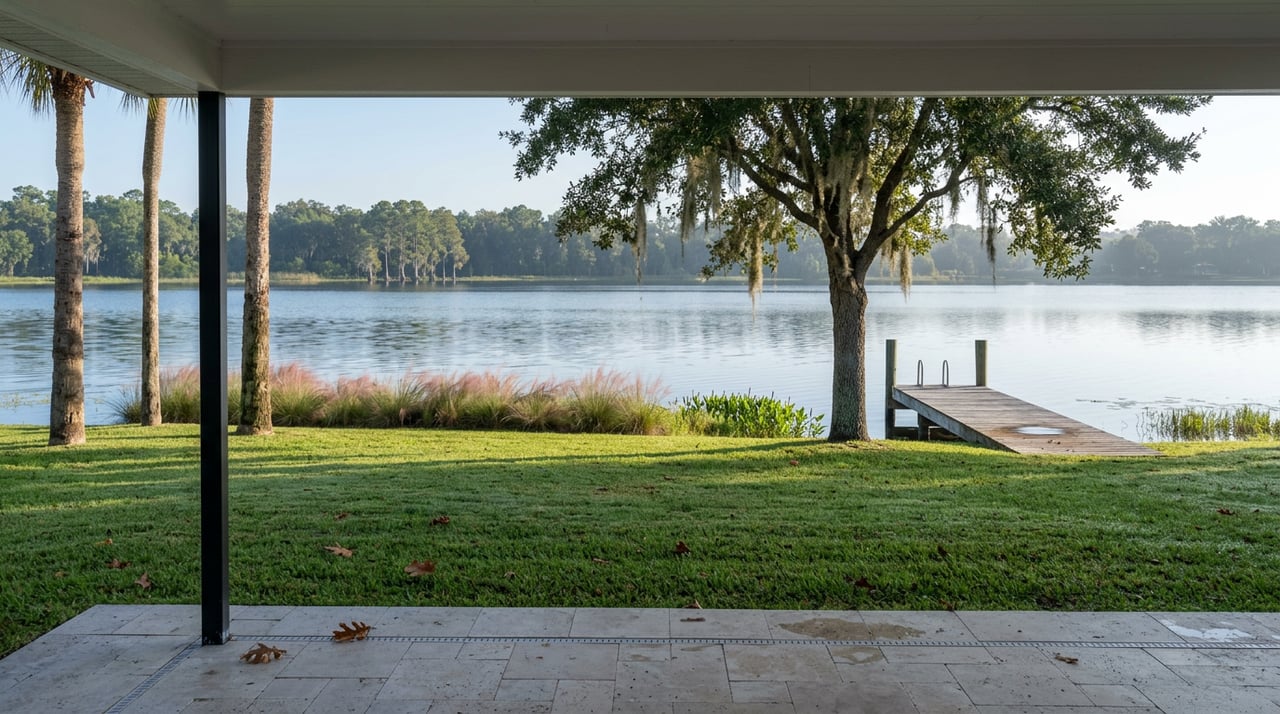
Along bayous and canals that feed the Anclote River, single-family homes range from modest 2 to 3 bedroom cottages to larger parcels with long linear waterfront. Docks, lifts and boat davits are common. Here, “waterfront” often means canal or river frontage rather than wide open bay, which can be a plus for sheltered docking and a tradeoff if you want big-water views.
Condos and small waterfront communities
If you want lower maintenance or a lock-and-leave setup, nearby condominiums and small waterfront communities can be a smart entry point. Many offer shared docks, slips or a community ramp. Always verify slip rights and association rules if boating access is essential to your purchase.
Market snapshot and what it means
Public market snapshots for Tarpon Springs often differ by source and methodology. Recent vendor figures have shown citywide medians from the mid 300s to the mid 400s, which illustrates how data inputs vary. What matters to you is the micro-market. Waterfront listings near the Sponge Docks typically command a premium over the city median and may spend longer on market, with pricing influenced by canal versus open-bay exposure, dock utility and condition.
Practical tip: anchor your search to a date-stamped MLS analysis for the specific neighborhood and property type. Your expectations for price, days on market and offer terms will be more accurate when tied to the exact micro-market you plan to buy in.
Boating and slip logistics
If boating is part of your plan, you have options even without a private dock.
- Marinas within minutes: Local operators offer transient and monthly wet slips, with varying amenities and rules. For example, Port Tarpon Marina markets deepwater slips close to the Sponge Docks and notes that live-aboards are not permitted under their lease. Always call for current availability, rates and policies.
- Public ramp access: Trailer your boat via the public ramp at Anclote River Park to reach the river quickly. Expect busier weekends during peak season.
- Navigational details: Check channel markers, tide windows and bridge clearances on your specific route to the Gulf. The Anclote is a short run, but wind and tide can matter for draft and timing.
Before you finalize a waterfront contract, confirm the legal status of any existing private dock, permitted dimensions, recorded access easements, and whether a State of Florida submerged land lease is involved.
Walkability and everyday living
You can stroll to restaurants, bakeries and tour operators along the Sponge Docks, which are intentionally pedestrian oriented. Beyond the waterfront strip, Tarpon Springs overall is only somewhat walkable, so daily errands often require a car. Test your routes to groceries, medical services and commute corridors at the times you will use them. The city’s Sponge Docks and CRA plan offers useful insight into streetscape priorities and future improvements.
Events, noise and parking realities
Living steps from a beloved destination means sharing it with visitors, especially on weekends and during major events.
- Signature event: Each January 6, Tarpon Springs hosts the Epiphany celebration, which draws large crowds, ceremonial processions and river events. Expect road closures, packed parking and heavy foot traffic on event day. Review recent coverage of the Epiphany celebration to understand the scale.
- Ongoing festivals: Craft fairs and seasonal festivals near Dodecanese Boulevard add to weekend energy and can affect traffic and parking. Check listings like the Sponge Docks craft festival to plan around dates.
- Parking patterns: Public lots and metered street parking exist around the Docks, with fees and availability that vary by day and season. On busy days, you may walk in from nearby lots or plan extra time for guests to park.
If you are noise sensitive, tour homes on a weekday morning, a weekend afternoon and, if possible, during a known event day so you can experience ambient sound and street activity firsthand.
Flood zones, insurance and building rules
Waterfront living near the Sponge Docks often means flood-zone due diligence. Much of the area lies in FEMA Special Flood Hazard Areas, including coastal A and V zones, where federally backed mortgages generally require flood insurance. Start with the City of Tarpon Springs’ overview of flood zones and permits to understand local categories and requirements.
- Elevation certificates: Ask sellers for an elevation certificate, or order one, to clarify current and required finished-floor elevations. This drives insurability and renovation options.
- The 50 percent rule: If you plan substantial improvements to an older home in a flood zone, learn how FEMA’s substantial improvement rule applies locally. The city’s floodplain materials outline key thresholds and documentation.
- Longer-term resilience: Tarpon Springs has studied tidal datums and sea-level projections for local planning. For context, review the city’s draft Adaptation and Resiliency Plan for the Historic District and Greektown.
- Building code basics: New construction and substantial remodels must meet the Florida Building Code and local floodplain management. Expect elevation and wind-resistance standards to influence design, timelines and costs. A state briefing on regulatory provisions gives helpful background on hurricane and code considerations. See the Florida legislature’s building code reference.
For a realistic budget, obtain quotes for homeowners, wind and flood insurance early in your search, and ask about any association assessments in condo or co-op communities with waterfront amenities.
Short-term rentals and investor notes
Florida adopted a statewide framework for vacation rentals that requires licensing and better platform compliance, while still allowing local registration and enforcement. If you plan to host short-term guests, start with the state analysis of SB 280 vacation rental rules.
Pinellas County and area municipalities have been evaluating stricter local registration, occupancy and noise or parking enforcement. If rental income is central to your purchase, verify the latest Pinellas and Tarpon Springs rules and your HOA or condo documents before you go under contract. Local news tracks these efforts, including Pinellas County discussions on STR regulations.
Seasonal demand near the Sponge Docks can be strong, especially in winter and around festivals, but net returns depend on your insurance, maintenance and association costs. Secure written confirmation that a specific home or unit can be legally rented and marketed as a vacation rental.
Buyer checklist before you offer
Use this quick list to keep your due diligence on track near the Sponge Docks:
- Flood and elevation:
- Look up the parcel in FEMA’s Flood Map Service Center and the city’s flood-zone page.
- Request or order an elevation certificate and get flood insurance quotes for the exact address.
- Dock and marina:
- Verify private dock permits, size limits and any submerged land leases.
- Call nearby marinas, such as Port Tarpon Marina, to confirm slip options and live-aboard rules.
- Building and permitting:
- Ask the city about open permits or violations, substantial improvement thresholds and any planned drainage or stormwater projects on your street.
- Short-term rentals:
- Review state SB 280, check current municipal and county rules, and confirm any HOA or condo restrictions in writing.
- Neighborhood feel and events:
- Tour at multiple times of day and check the calendar for major events like Epiphany and popular craft festivals.
Buying near the Sponge Docks is about balance. You get culture, water access and a true sense of place, along with real-world considerations like flood planning, parking and event days. With thoughtful due diligence and local guidance, you can secure a home that fits the lifestyle you want on the Anclote.
Ready to explore properties and fine-tune a plan that fits your goals, timeline and budget? Connect with Maria Azuaje for a tailored waterfront search, data-backed pricing guidance and concierge-level coordination from first tour to closing.
FAQs
What does “waterfront” mean near the Sponge Docks?
- It often means canal or Anclote River frontage rather than wide open bay. That can offer sheltered docking and quicker river access, with views that vary by canal width and orientation.
How walkable is the Sponge Docks area for daily life?
- The Docks themselves are a pedestrian-oriented strip with restaurants and shops. Citywide, Tarpon Springs is mixed for walkability, so test-drive routes to groceries, services and your commute.
How do major events like Epiphany affect living nearby?
- Expect large crowds, road closures and limited parking during Epiphany and seasonal festivals. Plan guest parking and consider sound levels by visiting at different times and on event days.
What flood and insurance steps should waterfront buyers take?
- Confirm the parcel’s FEMA flood zone, obtain an elevation certificate and secure insurance quotes early. Review the city’s floodplain guidance and how the 50 percent rule may affect renovations.
Can I operate a short-term rental near the Sponge Docks?
- Possibly, but it depends on state rules, local registration and your HOA or condo documents. Verify compliance under Florida’s SB 280 framework and get written approval where required.
Where can I keep a boat if my home has no dock?
- Nearby marinas offer transient and monthly slips with varying amenities and rules. Call operators like Port Tarpon to confirm availability, rates and policies before you buy.